Understanding Sleep Apnea and the Role of Pillows in Management
Sleep apnea is a condition characterized by repeated interruptions in breathing during sleep, which can lead to poor sleep quality and other health issues. While medical treatments are essential, some individuals explore supportive sleep accessories like pillows to potentially ease symptoms or improve comfort.
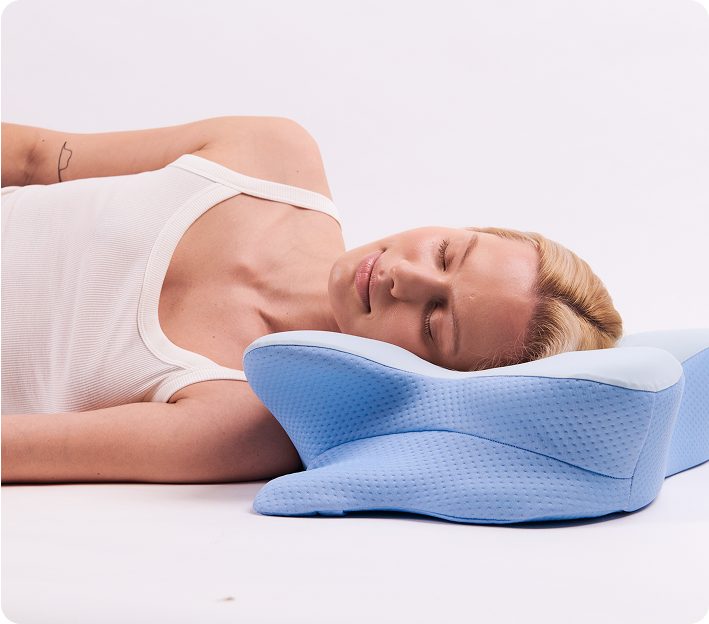
Pillows designed with ergonomic features may help maintain better head and neck alignment, which is important for airway patency during sleep. The Derila Ergo Memory Foam Pillow is presented as a physical sleep and bedding product designed to provide targeted support for the head, neck, shoulders, and upper body.
For those considering the Derila pillow for sleep apnea, it is important to understand that pillows alone do not treat or cure sleep apnea but may support a more comfortable sleeping posture. For a detailed evaluation of this pillow's features and suitability, you can read our full review.
For more context before you decide: our practical walkthrough.
- Understand what derila pillow for sleep apnea actually involves before comparing products.
- Separate practical, verifiable details from marketing claims.
- Check the format, delivery, and refund terms on the official page.
- Read the full Derila Ergo Memory Foam Pillow review for a product-specific decision.
Current Scientific Evidence on Pillow Impact for Sleep Apnea Symptoms
Scientific research on the direct impact of pillows on sleep apnea symptoms is limited and inconclusive. However, studies related to pillow use in general suggest that appropriate pillow support can reduce neck pain and improve sleep quality by maintaining proper cervical alignment [1].
While these benefits may indirectly support better breathing by preventing airway obstruction caused by poor posture, pillows are not a standalone solution for sleep apnea. It is important to approach claims about pillows and sleep apnea cautiously and consult healthcare professionals for diagnosis and treatment.
The Derila Ergo Memory Foam Pillow is designed to offer ergonomic support, but its effects on sleep apnea specifically have not been established in clinical research.
Ergonomic Considerations: How Pillow Design Influences Neck Support and Airway Patency
The design of a pillow can influence neck support and potentially affect airway patency during sleep. Ergonomic pillows like the Derila Ergo feature contoured shapes that cradle the head and support the neck, aiming to maintain the natural curve of the cervical spine.
Such designs may reduce muscular strain and help keep airways open by preventing awkward head positions [2]. The Derila Ergo includes shoulder arches and arm-support wings, which can be beneficial for side sleepers who experience pressure points.
Proper neck alignment is crucial for comfort and may contribute to better breathing patterns, though this varies by individual. Choosing a pillow that adapts to your sleeping position and provides consistent support is a practical consideration when managing sleep-related issues.
Quick Next Step
Want to check the official details?
Compare the official details before deciding - visit the official page and review the presentation carefully.
Memory Foam and Its Effects on Comfort and Muscle Activity Relevant to Sleep Apnea
Memory foam pillows are popular for their ability to conform to the body’s shape while providing firm support. This material helps distribute pressure evenly, which can reduce muscle activity and discomfort around the neck and shoulders during sleep [2].
For people with sleep apnea, reducing muscle tension may contribute to a more relaxed sleeping posture, potentially easing breathing. The Derila Ergo uses high-density memory foam combined with a breathable, removable cover to enhance comfort and maintain freshness.
While memory foam can improve overall sleep comfort, it is important to remember that its role in directly improving sleep apnea symptoms is not clinically proven and should be considered as part of a broader management plan.
Gaps and Limitations in Research Specific to Derila Pillow and Sleep Apnea
Currently, there is a lack of specific clinical research evaluating the Derila Ergo Memory Foam Pillow’s effects on sleep apnea symptoms. Most available evidence focuses on general pillow ergonomics, neck pain relief, and sleep quality improvements rather than sleep apnea directly.
This gap means that while the pillow may support better posture and comfort, it should not be viewed as a treatment or substitute for professional medical advice or prescribed therapies. Buyers should be aware that results vary and that the pillow is intended for comfort and support.
Confirming product details and suitability on the official product page is recommended before purchase.
Practical Guidance: Interpreting Evidence and Making Informed Decisions About Derila Pillow Use
When considering the Derila pillow for sleep apnea, it is important to have realistic expectations. This pillow is designed to support ergonomic sleep posture and may help reduce stiffness or discomfort associated with poor sleeping positions. However, it is not a medical device for sleep apnea treatment.
Practical tips before deciding include:
- Consult a qualified healthcare professional for sleep apnea diagnosis and treatment.
- Assess your usual sleeping positions and comfort needs.
- Consider the pillow’s ergonomic features such as contoured shape and memory foam support.
- Note the removable, machine-washable cover for easy maintenance.
- Review the vendor’s shipping and return policies.
For those interested in a comprehensive evaluation of the Derila Ergo pillow, read our full review. This can help you compare options and make an informed choice aligned with your sleep health goals.
Conclusion and next steps
The most reliable way to approach derila pillow for sleep apnea is to stay practical, compare options carefully, and keep your own situation at the center of the decision. When you are ready for a product-specific angle, the full Derila Ergo Memory Foam Pillow review and the buyer guide are the natural next steps.
Take what you have learned here and make the calm, informed choice that fits you.
Ready for the next step? the complete analysis.