Introduction: The Promise of Cervical Neck Pillows for Sleep and Pain Relief
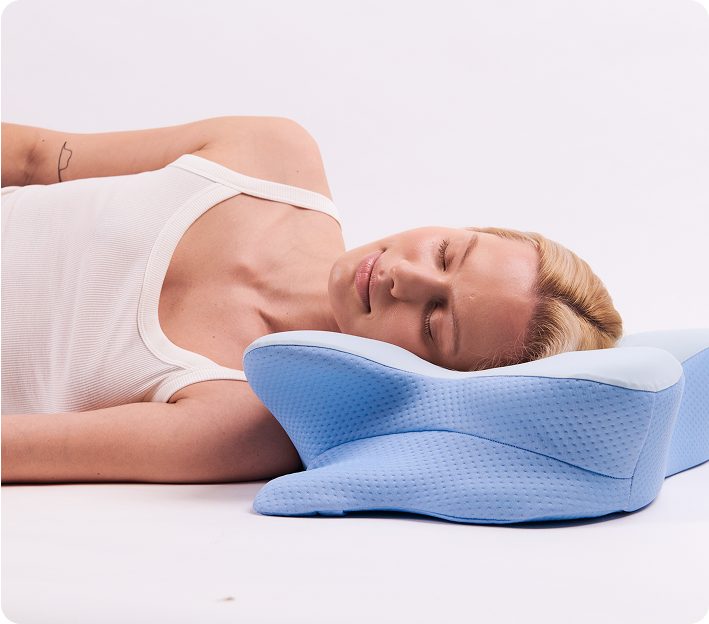
Cervical neck pillows for sleeping are designed to provide targeted support to the neck and head, aiming to improve comfort and potentially reduce neck pain during sleep. Many people seek these pillows hoping to alleviate stiffness or discomfort that can occur overnight.
While the concept is appealing, it is important to approach such products with realistic expectations and an understanding of their intended use. This article explores the evidence behind cervical neck pillows, including their design, materials, and effects on sleep quality. For a detailed look at one such product, you can read our full review.
For more context before you decide: read the full review before deciding.
- Understand what cervical neck pillow for sleeping actually involves before comparing products.
- Separate practical, verifiable details from marketing claims.
- Check the format, delivery, and refund terms on the official page.
- Read the full Derila Ergo Memory Foam Pillow review for a product-specific decision.
Reviewing Clinical Evidence on Pillow Impact for Chronic Neck Pain and Sleep Quality
Research on the impact of pillows on chronic neck pain and sleep quality shows mixed but insightful results. A systematic review found that using an appropriate pillow can influence pain levels, disability, and overall sleep quality in patients with chronic neck pain. However, the effects vary depending on pillow design, material, and individual user needs.
The evidence suggests that while pillows may help some users experience relief, they are not a cure or guaranteed solution. It is advisable to consider pillow use as part of a broader approach to managing neck discomfort and improving sleep, alongside professional advice [1].
Biomechanical Effects of Pillow Shape and Material on Neck Muscle Activity and Comfort
The shape and material of a pillow play a significant role in how it supports the neck and affects muscle activity during sleep. Studies measuring muscle activity have shown that different pillow shapes, such as rectangular or cylindrical, and materials like memory foam or wool, impact neck muscle strain and comfort differently.
For example, rectangular pillows tend to be more comfortable in the supine position, while cylindrical pillows may offer better comfort for side sleepers. Memory foam pillows can reduce muscle activity in certain neck muscles, potentially contributing to better comfort and reduced strain [2].
Understanding these biomechanical effects can help consumers choose a pillow that better fits their sleeping style and support needs.
Quick Next Step
Want to check the official details?
Compare the official details before deciding - visit the official page and review the presentation carefully.
Memory Foam Versus Other Materials: What Research Shows About Support and Comfort
Memory foam pillows are popular for their ability to conform to the natural shape of the head and neck, providing tailored support. Research comparing memory foam to other materials, such as feather or wool, indicates that memory foam may better maintain the cervical curve and improve comfort during sleep.
This material also tends to retain its shape over time, offering consistent support. However, individual preferences and responses vary, and some users may find other materials more comfortable. Choosing a pillow material should consider personal comfort, support needs, and maintenance preferences [3].
Limitations and Contradictions in Current Studies on Cervical Neck Pillows
While research provides valuable insights, there are limitations and contradictions in studies on cervical neck pillows. Sample sizes in many studies are small, and the diversity of pillow designs makes direct comparisons difficult. Additionally, subjective comfort and pain relief experiences vary widely among individuals.
Some studies report benefits, while others find minimal or no significant effects. These inconsistencies highlight the importance of cautious interpretation and the need for consumers to consider their unique needs and consult healthcare professionals when selecting a cervical neck pillow.
Practical Implications: How to Interpret Evidence When Choosing a Cervical Neck Pillow for Sleeping
When choosing a cervical neck pillow for sleeping, it is essential to balance scientific evidence with personal comfort and practical considerations. Key factors include pillow shape, material, and maintenance features like washable covers. A good pillow should support the natural neck curve, reduce muscle strain, and suit your preferred sleeping position.
Keep in mind that results vary, and no pillow guarantees relief or improved sleep quality. Before deciding, review trusted resources and consider consulting a qualified professional for personalized advice. For more detailed product comparisons and guidance, visit the buyer guide.
Conclusion and next steps
The most reliable way to approach cervical neck pillow for sleeping is to stay practical, compare options carefully, and keep your own situation at the center of the decision. When you are ready for a product-specific angle, the full Derila Ergo Memory Foam Pillow review and the buyer guide are the natural next steps.
Take what you have learned here and make the calm, informed choice that fits you.
Ready for the next step? our detailed breakdown.