Defining the Needs of Sleepers Who Change Positions Frequently
Many sleepers do not stick to a single sleeping position throughout the night. Instead, they shift between back, side, and stomach positions to find comfort. This variability creates unique challenges for pillow support because each position requires different head and neck alignment to maintain spinal health and reduce discomfort.
Sleepers who change positions frequently need a pillow that adapts to these shifts by providing consistent support without causing stiffness or pressure points. Understanding these needs helps in selecting a pillow that can accommodate multiple postures effectively, promoting restful sleep and reducing the risk of waking up sore or stiff.
For more context before you decide: our full Derila Ergo Memory Foam Pillow review.
- Understand what best pillow for all sleep positions actually involves before comparing products.
- Separate practical, verifiable details from marketing claims.
- Check the format, delivery, and refund terms on the official page.
- Read the full Derila Ergo Memory Foam Pillow review for a product-specific decision.
Ergonomic Design Elements Crucial for Supporting All Sleep Positions
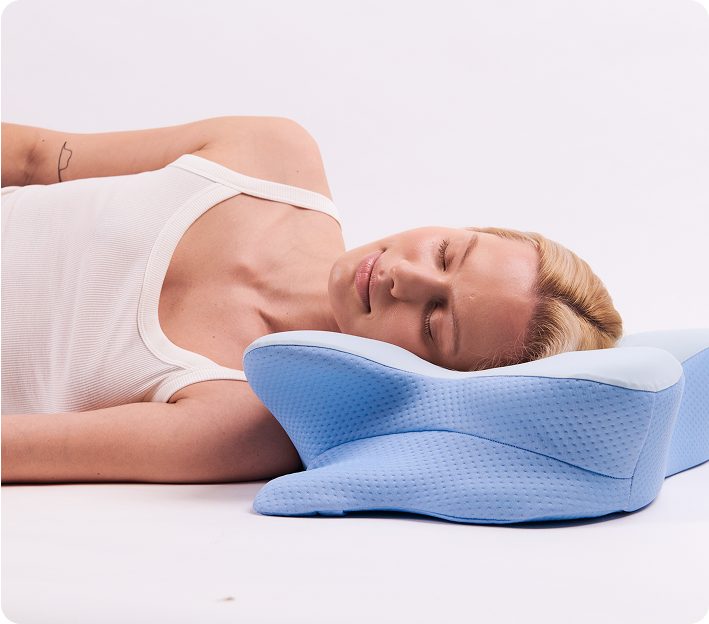
Ergonomic pillows designed for multi-position sleepers typically feature contoured shapes that cradle the head and neck while relieving pressure on the shoulders and arms. Key design elements include varying thickness zones, shoulder cutouts, and arm-support wings that help maintain natural spinal alignment regardless of sleeping posture.
Materials like memory foam are favored for their ability to conform to the sleeper’s shape while retaining support. Breathable, washable covers add convenience and hygiene benefits. These features collectively help reduce muscular strain and improve comfort, which are important for those who frequently change positions during sleep [1].
How the Derila Ergo Memory Foam Pillow Addresses Multi-Position Support
The Derila Ergo Memory Foam Pillow is presented as a physical product designed specifically to support sleepers who change positions. Its contoured butterfly shape includes dedicated areas for the neck, head, shoulders, and arms, providing targeted support that adapts to back, side, stomach, and combination sleepers.
The high-density memory foam molds to the natural curves of the body while maintaining firmness, which may help reduce stiffness and discomfort upon waking. Additionally, the pillow features a breathable cooling cover that is removable and machine washable, making it easier to maintain freshness.
According to the vendor, this pillow may be a suitable choice for individuals seeking structured support beyond what a standard pillow offers.
Quick Next Step
Want to check the official details?
Compare the official details before deciding - visit the official page and review the presentation carefully.
Key Competitor Pillows: Design and Material Differences for Versatility
Several competitor pillows aim to serve multi-position sleepers but differ in design and materials. Traditional rectangular pillows may provide comfort but often lack targeted support zones, which can lead to misalignment in certain positions. Cylindrical or orthopedic pillows may excel in lateral support but might not be as adaptable for back or stomach sleeping.
Materials range from memory foam, which conforms and supports, to wool or feather fillings that offer softness but less structure. Choosing between these options depends on individual preferences for firmness, breathability, and maintenance. Understanding these differences helps consumers weigh versatility against specific comfort needs [1] [2].
Evidence-Based Comparison of Neck Pain Relief and Comfort Across Pillows
Research indicates that using an appropriate pillow that maintains the neck’s natural posture can reduce pain and improve sleep quality in people with chronic neck discomfort. Memory foam pillows with ergonomic designs have been shown to decrease muscular activity in neck muscles and enhance perceived comfort compared to traditional pillows.
Orthopedic pillows designed to support the cervical curve may contribute to improved sleep quality by reducing biomechanical stress. However, results vary among individuals, and no single pillow type works universally for everyone. It is important to consider personal comfort and consult with healthcare professionals when addressing chronic pain issues [3] [1] [2].
Balancing Trade-Offs: Choosing the Best Pillow for Your Unique Sleep Patterns
Selecting the best pillow for all sleep positions involves balancing support, comfort, and maintenance factors. While ergonomic memory foam pillows like the Derila Ergo offer structured support and adaptability, they may feel firmer than traditional pillows and require an adjustment period. Breathable, washable covers improve hygiene but may add to the pillow’s cost.
Some sleepers might prioritize softness over firmness, while others need more pronounced contouring. Before deciding, consider a quick checklist:
- Assess your primary and secondary sleeping positions
- Determine your preferred pillow firmness
- Check for removable and washable covers
- Review return policies and shipping details
For more detailed insights and to compare options, you can read our full review. This approach helps ensure you choose a pillow that aligns with your unique sleep patterns and comfort needs.
Conclusion and next steps
The most reliable way to approach best pillow for all sleep positions is to stay practical, compare options carefully, and keep your own situation at the center of the decision. When you are ready for a product-specific angle, the full Derila Ergo Memory Foam Pillow review and the buyer guide are the natural next steps.
Take what you have learned here and make the calm, informed choice that fits you.
Ready for the next step? read the full review before deciding.